Habits
The Habit Of Putting Things Back
Returning objects to a fixed place is a small behavior with an outsized effect, because it prevents a search cost that recurs and compounds across a household.
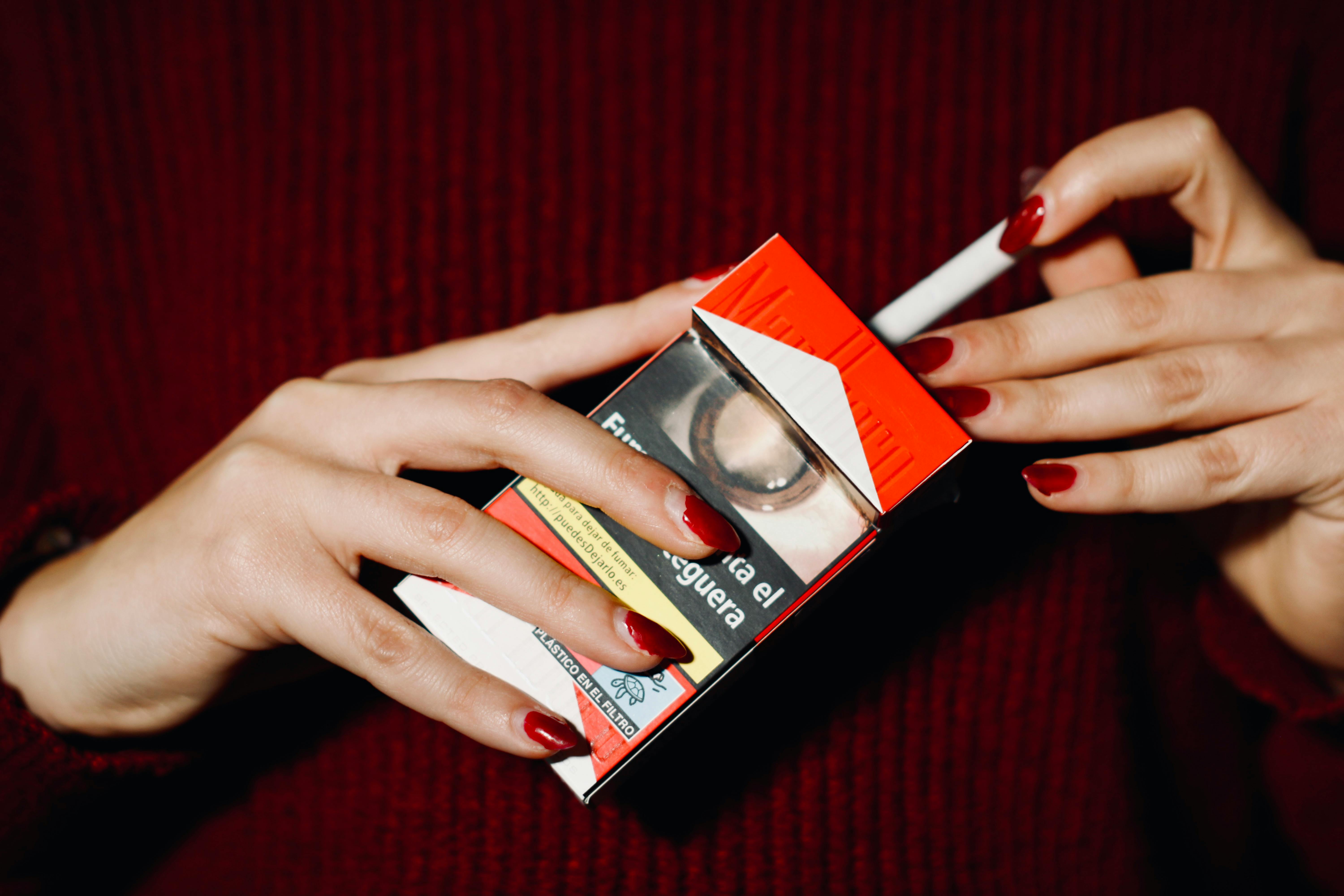
Putting something back takes a few seconds and is skipped constantly. The behavior matters less for tidiness than for what it prevents, which is a recurring search that costs far more than the seconds saved.
The cost is deferred and multiplied
Not putting something away saves a few seconds now and creates a search later. The search is longer than the saving and happens more than once.
Keys, scissors, the tape measure and the phone charger are all searched for repeatedly by more than one person, so the cost is paid several times over.
This asymmetry is invisible in the moment. The saving is immediate and certain; the cost is later, uncertain, and often paid by someone else.
A home is a fixed place, not a category
Items get put away reliably only when there is one specific place they belong. Somewhere in the kitchen is not a location and will not be used consistently.
Ambiguity is what turns putting away into a decision. A decision at the end of a task, when attention is already moving on, usually loses.
The place also has to be reachable from where the item is used. A location that requires crossing the house gets abandoned within a week regardless of how sensible it looked.
It only works if everyone does it
A shared household breaks this faster than an individual one, because the system depends on universal compliance to be worth anything.
If one person returns items and another does not, the searching continues and the returning person receives no benefit for the effort.
The practical consequence is that the arrangement has to be agreed rather than imposed. A system nobody else knows about is a system that only one person maintains.
Surfaces accumulate by default
Flat surfaces near an entrance collect objects because they are the first available place to set something down while doing something else.
Nothing decides to leave the item there. It stays because no later moment ever specifically prompts moving it.
Giving those surfaces a designated purpose helps more than clearing them repeatedly. A surface with a job resists collecting things that have no job.
Attaching it to the end of a task
The reliable version treats putting away as the last step of the activity rather than as a separate chore, so the cue is finishing rather than remembering.
Defined that way, the task is not complete until the tool is back, which removes the moment at which a choice would otherwise be made.
It also handles the main failure case, which is not laziness but transition. Objects are abandoned when attention moves to the next thing, and a defined last step keeps attention in place for a few seconds longer.
Also by Sam Delacroix
- Ambition, at a sustainable sizeWork & Career
- Wanting the thing versus wanting to have done itGoals & Motivation
- Noise, music and working in shared spaceFocus & Attention
- Reviewing your own systemsHabits