Habits
Why Buying Equipment Feels Like Progress
Purchasing the gear for a new habit produces the satisfaction of having started without any of the behavior, and the feeling can substitute for the thing it was meant to support.
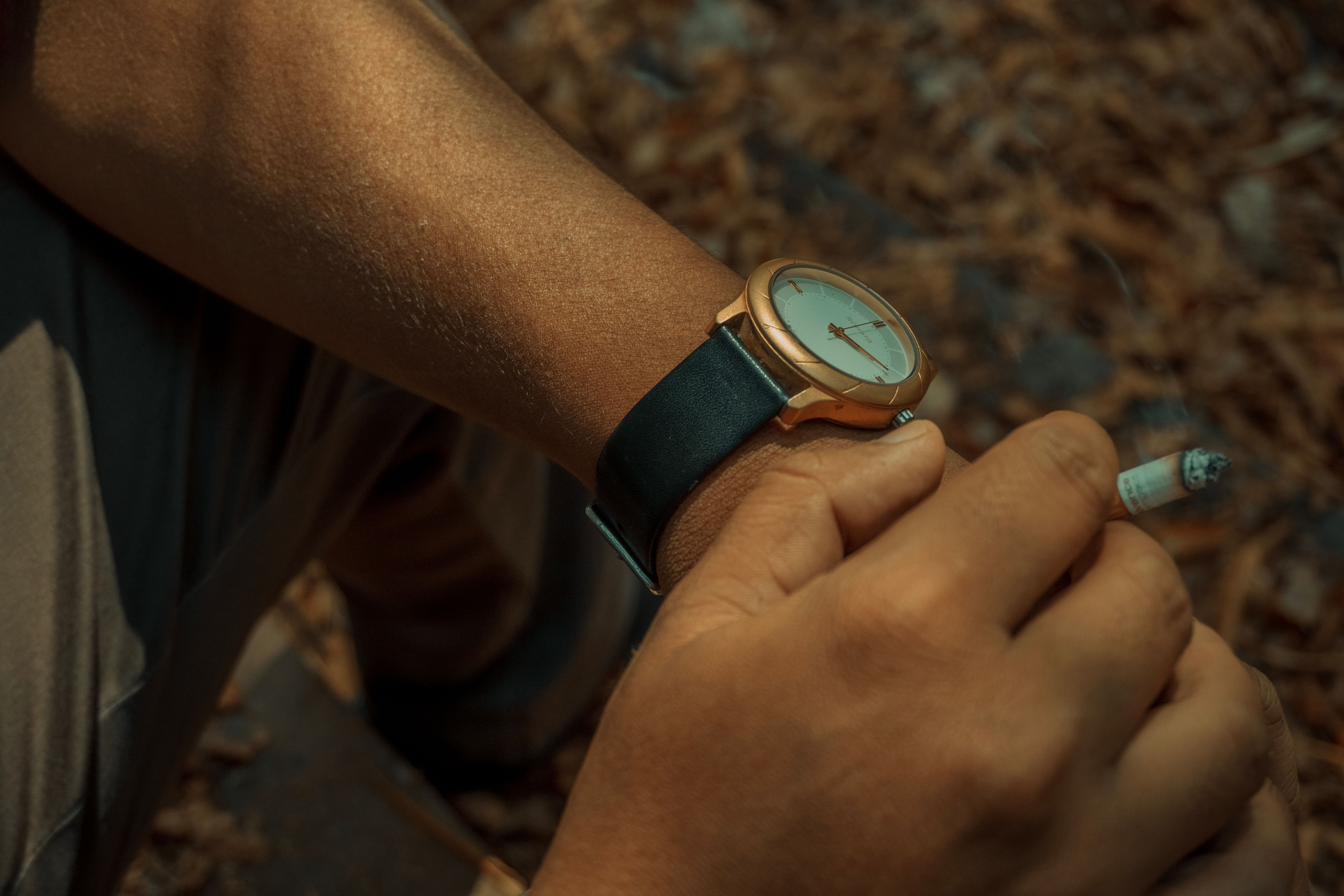
Beginning something new often starts with a purchase: shoes, a guitar, a set of weights, a subscription. The buying feels like a step forward, and in a specific sense it removes the pressure to take one.
The purchase is a completed action
Buying something is finishable in a way that a habit is not. It has a clear end point, produces an object, and takes an afternoon at most.
Habits offer nothing comparable. There is no moment at which running has been acquired, only a sequence of occasions that must keep recurring.
Given a choice between a task that completes and one that never does, attention reliably goes to the first. The purchase is not a distraction from the goal so much as the only part of it that can be finished.
Intention gets credited as progress
Announcing or equipping an intention produces some of the satisfaction that acting on it would. The identity of a person who is taking up cycling is available immediately upon buying the bike.
That satisfaction is not free. It partially discharges the motivation that the behavior itself was supposed to draw on.
This is why the gap between purchase and first use is worth watching. The longer it runs, the more the buying has functioned as a substitute rather than a preparation.
Equipment can raise the barrier
Better gear frequently makes starting harder rather than easier. A complicated setup adds steps between the intention and the behavior.
It also raises the stakes. Expensive equipment implies a serious attempt, and a serious attempt is more threatening to begin than a casual one.
Beginners are often better served by whatever is already in the house, precisely because it carries no expectation. Nothing has been invested, so nothing is at risk in a bad first session.
When the purchase genuinely helps
Equipment does real work when it removes friction that was actually stopping the behavior. Shoes that fit, an instrument that stays in tune, a machine that does not need setting up.
It also helps as a visible cue. A guitar on a stand in the living room prompts playing; the same guitar in a case in a closet does not.
The test is whether the item makes the next repetition easier or merely marks the intention. Cues and tools help; symbols mostly do not.
Sequence is the practical fix
Running the behavior a handful of times before buying anything reverses the pattern. The purchase then responds to a demonstrated need instead of creating one.
It also produces better purchases. A few weeks of practice reveals what actually constrains the activity, which is rarely what a beginner would have guessed.
The delay costs almost nothing. Very few activities are genuinely impossible to attempt without the equipment their established practitioners use.
Also by Sam Delacroix
- Ambition, at a sustainable sizeWork & Career
- Wanting the thing versus wanting to have done itGoals & Motivation
- Noise, music and working in shared spaceFocus & Attention
- Reviewing your own systemsHabits